
Headache & Migraine Chiropractic Care in Christchurch
Frequent headaches, migraines or tension around your head and neck? We’re here to listen.
Headaches and migraines can make everyday life challenging, affecting your concentration, sleep, work and ability to enjoy the things you love.
Whether you’re experiencing recurring headaches, discomfort around your neck and shoulders, or migraine episodes that interrupt your routine, understanding your symptoms is an important first step.
At Christchurch Wellness Centre, our experienced chiropractors provide personalised assessments for headaches and associated neck-related musculoskeletal concerns. We take the time to listen, examine relevant clinical findings and discuss whether chiropractic care or another healthcare approach may be appropriate.
Conveniently located on Memorial Avenue in Christchurch, we welcome patients seeking professional, supportive chiropractic care.

Understanding Headaches & Migraines
Headaches are among the most common neurological symptoms and can occur for many different reasons.
A headache is pain or discomfort affecting the head, face or upper neck. Migraine is a neurological condition that can cause recurring headache attacks alongside symptoms such as nausea, sensitivity to light and sound, and sometimes visual disturbances.
Not all headaches are migraines, and not every headache originates from the neck.
Some headaches are associated with muscle tension or conditions affecting the cervical spine, while others involve neurological processes, illness, medication use or other medical causes.
Understanding the type of headache you experience is important because different conditions require different approaches to management.
At Christchurch Wellness Centre, we aim to understand your symptoms, identify relevant musculoskeletal findings and discuss whether chiropractic care, medical assessment or referral is appropriate.
What Is the Difference Between a Headache and a Migraine?
A tension-type headache often causes a pressing or tightening sensation around the head, usually without the nausea commonly associated with migraine.
Migraine attacks may cause moderate to severe throbbing or pulsating pain, sensitivity to light or sound, nausea and difficulty continuing normal activities.
Some people experience migraine aura, which can involve temporary visual or sensory symptoms.
A cervicogenic headache is associated with a disorder affecting structures in the neck and may be aggravated by certain neck movements.
The type of headache cannot reliably be determined from its location alone, making an appropriate history and assessment important.
Common Headache & Migraine Symptoms We Can Assess
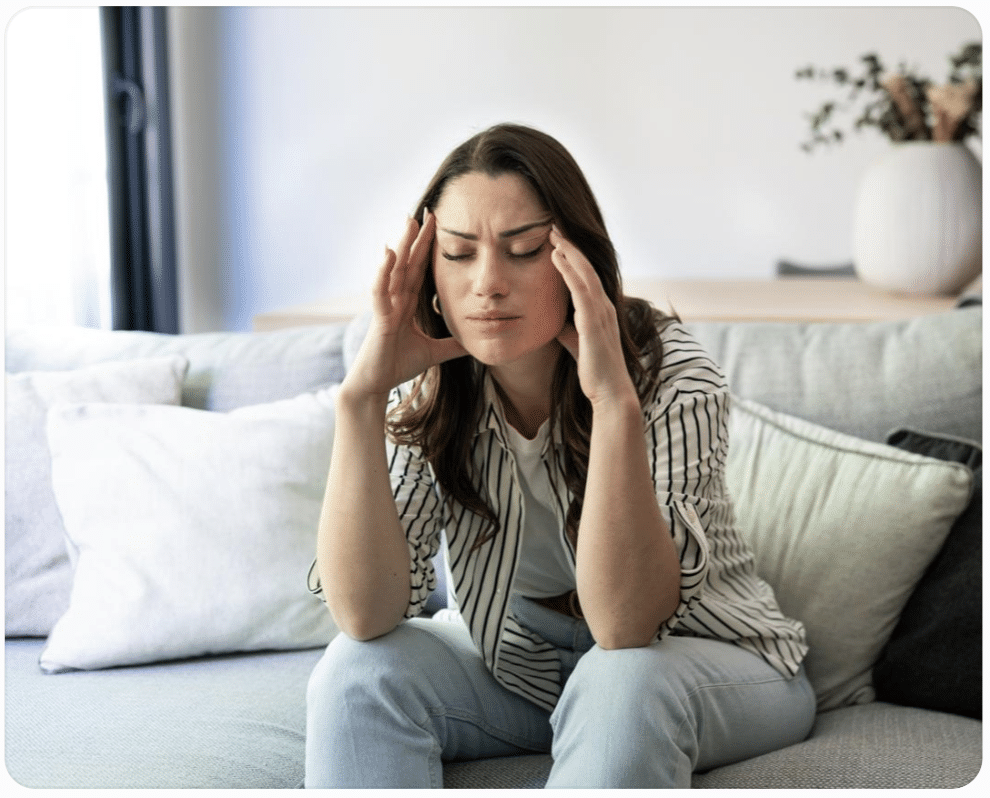
Tension-type headaches
Dull, aching or pressure-like discomfort around the forehead, temples or back of the head, sometimes described as a tight band.

Migraine symptoms
Recurring headache attacks that may involve throbbing pain, nausea, sensitivity to light or sound, or visual disturbances.
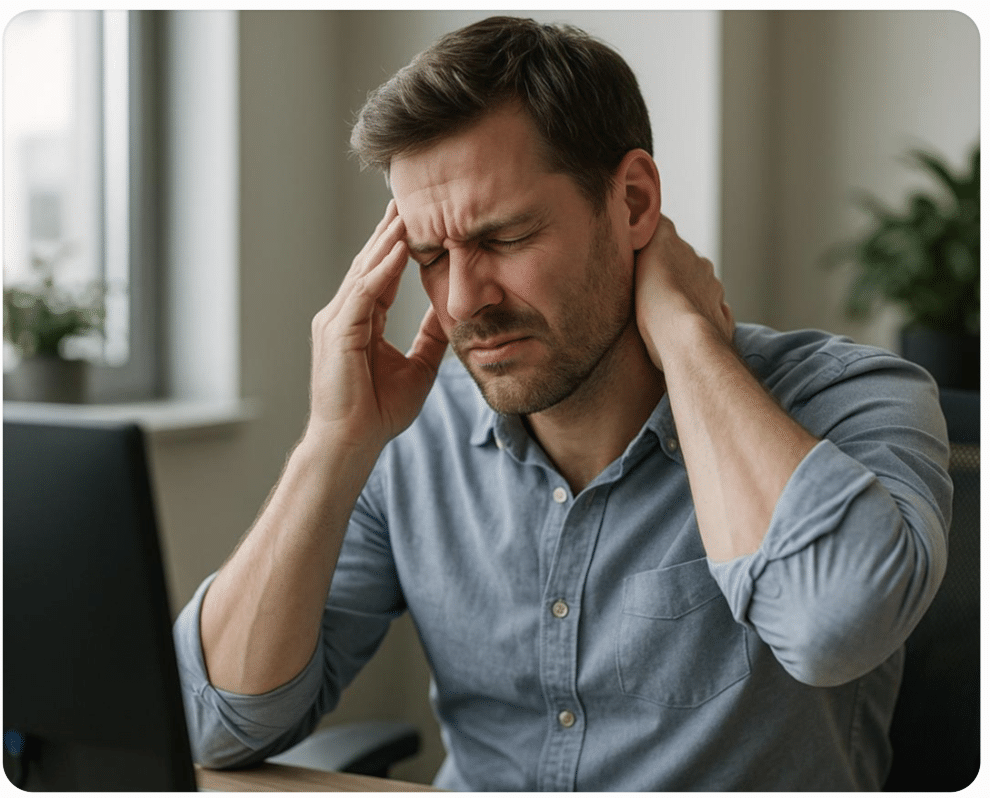
Neck-related headaches
Pain that may begin around the upper neck or base of the skull and spread towards the head, sometimes aggravated by neck movement.

Recurring headaches
Headaches that repeatedly interrupt work, concentration, sleep, exercise or everyday activities.
Some headache symptoms require medical assessment rather than routine chiropractic care. New, unusual, progressively worsening or severe headaches should not automatically be attributed to neck tension.
What Causes Headaches & Migraines?
Headaches can develop for many reasons, and there is not always one identifiable cause.
Common headache types and contributing factors include:
- Tension-type headaches: Often experienced as pressing or tightening discomfort around the head. Stress and muscular tenderness may be associated with these headaches.
- Migraine: A neurological condition involving altered pain processing and sensitivity. Attacks may be influenced by factors such as sleep changes, hormonal fluctuations and individual triggers.
- Cervicogenic headaches: Headaches associated with a disorder affecting the joints, muscles or other structures of the neck.
- Sleep and lifestyle factors: Changes in sleep, dehydration, irregular meals or stress can contribute to headaches in some individuals.
- Medication-overuse headaches: Frequent use of certain headache medications can contribute to increasingly frequent headaches.
- Other medical conditions: Illness, infections, vascular problems and other conditions can occasionally cause headaches requiring medical investigation.
Headaches should not automatically be attributed to poor posture, spinal misalignment or muscle tension.
Can Neck Pain Cause Headaches?
Yes. Some headaches originate from structures in the cervical spine and are known as cervicogenic headaches.
These headaches may be associated with neck pain, reduced neck movement or symptoms aggravated by certain movements.
However, migraine and tension-type headaches can also occur alongside neck discomfort. Having both neck pain and a headache does not necessarily mean the neck is causing the headache.
A clinical assessment can help identify relevant findings and whether further medical investigation is needed.
When Should You Seek Help for Headaches or Migraines?
Many headaches are not caused by serious illness. However, recurring, persistent or changing headache symptoms may benefit from professional assessment.
Consider seeking medical advice if your headaches are becoming more frequent, interfering with daily activities, requiring regular pain medication or changing in their usual pattern.
If you experience recurrent migraines, your GP can assess whether migraine-specific medicines, preventive treatment or further investigation may be appropriate.
When Is a Headache an Emergency?
Seek emergency medical attention if you experience:
- A sudden, extremely severe headache that reaches maximum intensity within seconds or minutes.
- A headache accompanied by new weakness, facial drooping, difficulty speaking, confusion or loss of consciousness.
- A severe headache with fever, marked neck stiffness or a new widespread rash.
- A severe headache after significant head trauma.
- A new severe headache with sudden loss of vision or other major neurological changes.
A new headache during pregnancy or shortly after childbirth, or a new headache with visual symptoms or jaw pain in an older adult, also requires prompt medical assessment.
In New Zealand, call 111 for an emergency or Healthline on 0800 611 116 if you’re unsure what care you need.
Do not wait for a routine chiropractic appointment if you experience these warning signs.
How Can Chiropractic Care Help With Headaches & Migraines?
Chiropractic care may be appropriate for some people experiencing headaches associated with neck pain, restricted neck movement or other musculoskeletal concerns.
At Christchurch Wellness Centre, our chiropractors assess your symptoms, medical history, neck movement and relevant clinical findings to determine whether chiropractic management may be suitable.
Depending on your individual circumstances, care may include exercise recommendations, movement advice, selected manual therapy techniques or referral to another healthcare professional.
Migraine is a neurological condition, and chiropractic adjustments are not an established treatment for preventing or curing migraine. People experiencing migraines may benefit from GP-led management, including migraine-specific medication and preventive treatment where appropriate.
What Treatment Options Might Be Discussed?
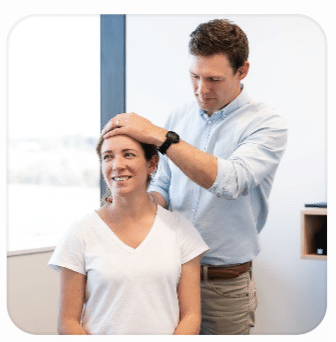
Manual therapy
Selected hands-on techniques may be considered for suitable neck-related musculoskeletal conditions after discussing potential benefits, risks and alternatives.
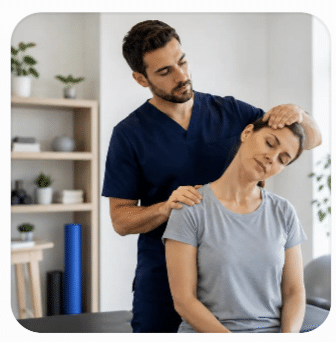
Movement and exercise advice
Individualised exercises and movement guidance may be discussed where neck discomfort or reduced mobility contributes to your symptoms.

Headache awareness and everyday habits
Keeping a headache diary may help identify patterns involving sleep, activities, headache frequency and possible migraine triggers.

Medical referral when appropriate
Some headaches require assessment by a GP, neurologist or another healthcare professional, particularly when migraine-specific treatment or further investigation is needed.
Not every patient needs a neck adjustment. Cervical manipulation carries rare but potentially serious risks, and your chiropractor should discuss these alongside alternative approaches before you decide whether to proceed.
Why Choose Christchurch Wellness Centre for Headache & Neck-Related?
When looking for a headache chiropractor in Christchurch, it’s important to find a clinic where your concerns are taken seriously and your care options are explained clearly.
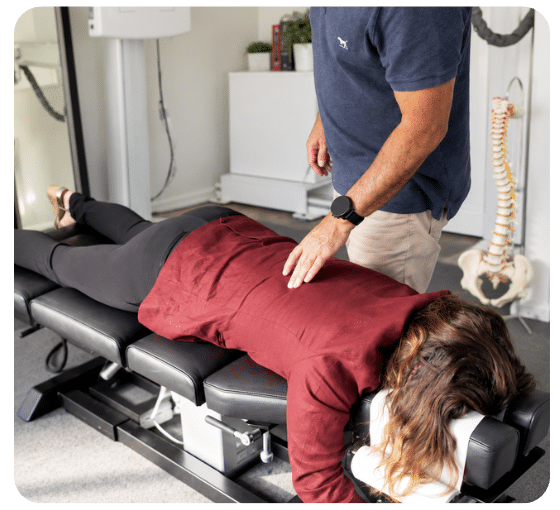
Experienced chiropractors
Our team provides individualised assessments for musculoskeletal concerns, including neck pain and associated headaches.

Established local clinic
Christchurch Wellness Centre has been serving the local community for over 10 years.
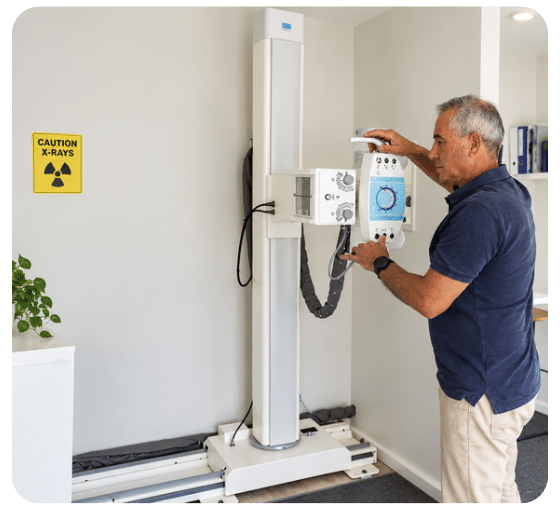
On-site X-ray facilities
Imaging is available when clinically indicated, without suggesting that everyone needs a scan.
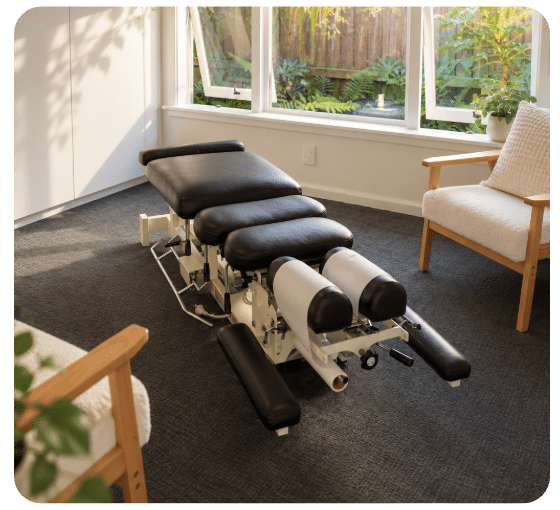
Individualised care
Assessment findings, your preferences and your circumstances help guide care recommendations.
With on-site parking, a bus stop directly outside and Saturday appointments, accessing our Christchurch chiropractic clinic is convenient.
ACC Chiropractic Care for Injury-Related Headaches in Christchurch
If your headaches or associated neck pain developed following an accident or injury, you may be eligible for ACC-funded chiropractic care.
ACC eligibility depends on the circumstances of the injury and whether the claim is accepted.
Headaches or migraines unrelated to a covered injury are not automatically eligible for ACC funding.
Our reception team can explain appointment fees and help you understand the practical steps involved in arranging an ACC appointment.
Frequently Asked Questions About Headaches & Migraines
Can a chiropractor help with headaches?
Chiropractic care may be appropriate for some people with headaches associated with neck-related musculoskeletal conditions. A chiropractor can assess relevant findings and discuss movement advice, exercises or selected manual therapy. Not all headache types are suitable for chiropractic management.
Can chiropractic adjustments help migraines?
Evidence that chiropractic spinal adjustments prevent or treat migraine is limited and uncertain. Migraine is a neurological condition, and established treatments include migraine-specific medication and preventive management. Chiropractic care should not replace appropriate medical migraine treatment.
What is the difference between a migraine and a tension headache?
Migraine often causes moderate to severe headache attacks accompanied by nausea, light sensitivity or sound sensitivity. Tension-type headaches usually cause pressing or tightening pain without the typical migraine-associated symptoms. A healthcare professional can help distinguish between them.
Can neck tension cause headaches?
Neck-related conditions can contribute to some headaches, particularly cervicogenic headaches. However, neck discomfort can also occur during migraine attacks. Neck tension alone does not establish the cause of a headache.
What causes headaches at the base of the skull?
Pain at the base of the skull may be associated with neck-related conditions, tension-type headaches or other causes. The location of pain alone cannot establish a diagnosis. Persistent, unusual or worsening symptoms should be assessed.
Can poor posture cause headaches?
Prolonged positions and neck discomfort may contribute to symptoms in some people, but posture is not a proven universal cause of headaches or migraines. Headaches have multiple potential causes, and assessment should consider the overall symptom pattern.
How can I relieve a tension headache?
Rest, hydration, gentle movement, stress management and appropriate over-the-counter medication may help some tension-type headaches. Medication should be used according to medical or pharmacy advice, particularly if headaches occur frequently.
What triggers migraines?
Migraine triggers vary between individuals. Some people notice associations with disrupted sleep, hormonal changes, missed meals, stress or certain environmental factors. Keeping a headache diary can help identify patterns without assuming every possible trigger is relevant.
What is a migraine with aura?
Migraine with aura involves temporary neurological symptoms that may occur before or during a migraine attack. Typical aura symptoms include flashing lights, visual changes, tingling or sensory disturbances that develop gradually. New, unusual or persistent neurological symptoms require urgent medical assessment.
How long does a migraine last?
An untreated migraine headache typically lasts between 4 and 72 hours in adults, although individual experiences vary. Some people also experience symptoms before or after the headache itself.
Can dehydration cause headaches?
Dehydration can contribute to headaches in some people. Maintaining adequate hydration may help prevent dehydration-related discomfort, but drinking more water is not a guaranteed treatment for migraine or other headache disorders.
Can stress cause migraines?
Stress can be associated with migraine attacks and tension-type headaches. However, migraine is a neurological condition rather than simply a stress-related problem. Sleep, hormones and other factors may also influence migraine patterns.
Should I see a chiropractor or GP for migraines?
A GP is an appropriate starting point for diagnosing and managing migraines, particularly when attacks are frequent, severe or disabling. A chiropractor may assess associated neck-related musculoskeletal concerns, but chiropractic care should not replace migraine-specific medical treatment.
Do I need an X-ray for recurring headaches?
Most people with typical migraine or tension-type headaches do not need routine X-rays. Imaging may be considered when symptoms suggest another medical condition or investigation is likely to change management.
Can ACC cover chiropractic care for headaches?
ACC may contribute towards chiropractic care for eligible injury-related conditions. Coverage depends on the circumstances of the injury and acceptance of the claim. Patient co-payments may apply.
Where can I book a headache chiropractor in Christchurch?
Christchurch Wellness Centre is located at 390 Memorial Avenue, Christchurch 8053. Our experienced chiropractors provide assessments for neck-related musculoskeletal concerns and associated headache symptoms, with weekday and Saturday appointments available.
Book a Headache & Neck-Related Assessment in Christchurch
Experiencing recurring headaches or neck discomfort? We’re here to help you understand your options.
Whether your symptoms are recent or have been troubling you for some time, our team can help you arrange an appointment to discuss your concerns and determine appropriate next steps.
You don’t need to know exactly what’s causing your headaches before getting in touch.