
Sciatica & Leg Pain Chiropractic Care in Christchurch
Shooting pain down your leg? Tingling, numbness or discomfort affecting everyday life? We’re here to listen.
Sciatica and leg pain can make everyday activities such as sitting, walking, working or sleeping uncomfortable. Whether you’re experiencing pain that travels from your lower back into your leg, occasional tingling or symptoms that keep returning, understanding what may be contributing to your discomfort is an important first step.
At Christchurch Wellness Centre, our experienced chiropractors provide personalised assessments for sciatica, lower back pain and certain nerve-related symptoms. We take the time to understand your concerns, examine relevant clinical findings and discuss appropriate care options.
What Is Sciatica?
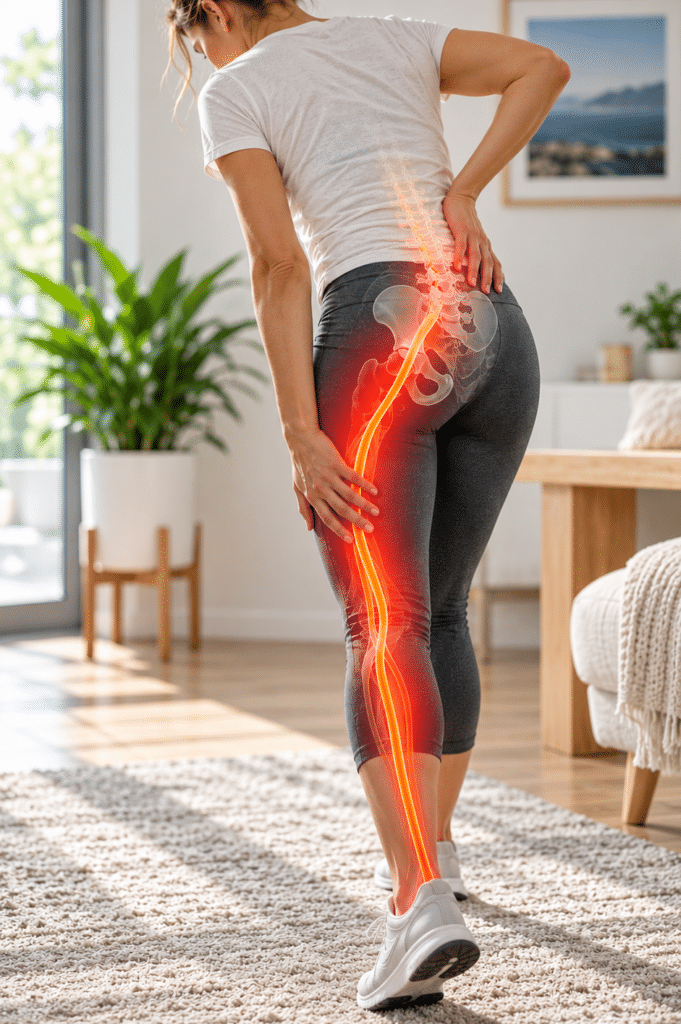
Sciatica describes pain or other symptoms that travel along the pathway of the sciatic nerve, commonly from the lower back or buttock into one leg. It often occurs when a nerve root in the lower spine becomes irritated or compressed.
The sciatic nerve is the largest nerve in the body. It travels from the lower spine through the buttock and down the leg, helping control movement and sensation.
Sciatica may cause sharp, burning, electric shock-like or shooting pain. Some people also experience tingling, numbness or muscle weakness.
Symptoms commonly affect one leg, although patterns vary depending on the underlying condition.
Sciatica is a description of symptoms rather than a single diagnosis. Possible causes include lumbar disc herniation, narrowing around spinal nerves and other conditions affecting the lower back.
Many cases improve over time with appropriate management. However, persistent, worsening or concerning symptoms should be professionally assessed.
At Christchurch Wellness Centre, we aim to identify whether your symptoms are consistent with sciatica, discuss possible contributing factors and help you understand your next steps.
Common Sciatica & Leg Pain Symptoms
Sciatica does not feel the same for everyone. Symptoms can range from mild discomfort to more intense nerve-related pain.
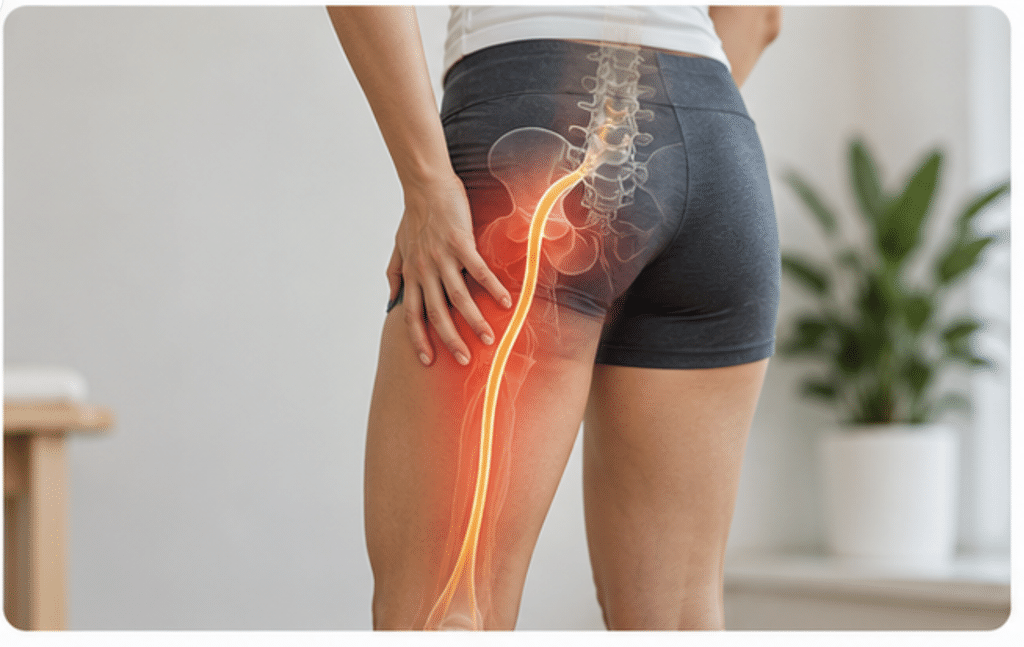
Shooting pain down the leg
Sharp, burning or electric shock-like pain travelling from the buttock into the thigh, calf or foot.

Lower back & buttock pain
Aching or discomfort around the lower spine or buttock, sometimes extending into one leg.
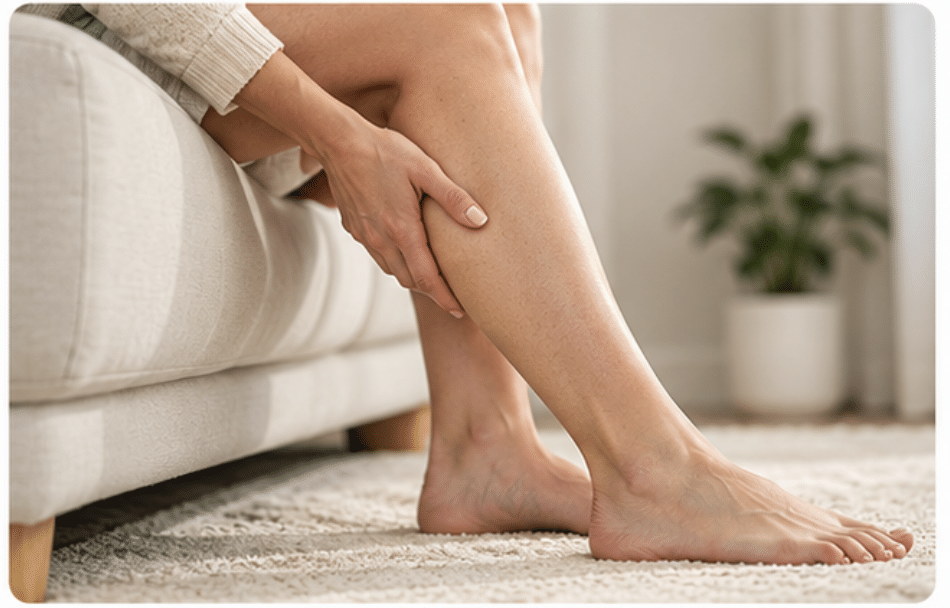
Tingling or numbness
Pins and needles, reduced sensation or unusual feelings in the leg, foot or toes.

Pain during everyday activities
Symptoms that become more noticeable when sitting, bending, walking, driving or changing position.
Some people also experience leg or foot weakness. New or progressive weakness requires prompt medical assessment, and certain combinations of symptoms require emergency care.
Not all leg pain is caused by sciatica. Muscular, joint, vascular and other neurological conditions can produce similar symptoms, making an appropriate assessment important.
What Causes Sciatica & Pain Down the Leg?
Sciatica commonly occurs when a nerve root in the lumbar spine becomes irritated or compressed. However, several different conditions may contribute to similar symptoms.
Common causes and contributing conditions include:
- Herniated or bulging lumbar discs: Disc material may irritate or compress a nearby spinal nerve root, causing pain that travels into the leg.
- Lumbar spinal stenosis: Narrowing of spaces around the spinal nerves can contribute to leg pain, tingling or weakness, sometimes particularly during standing or walking.
- Age-related spinal changes: Changes in spinal discs and joints can sometimes affect nearby nerves, although these changes are also common in people without symptoms.
- Spondylolisthesis: A spinal vertebra slipping relative to another may occasionally contribute to nerve compression.
- Other causes of leg pain: Hip conditions, muscle-related pain and problems affecting circulation or peripheral nerves can sometimes resemble sciatica.
Can a Slipped Disc Cause Sciatica?
Yes. A herniated disc in the lower back can irritate or compress a spinal nerve root, leading to pain that travels into the buttock, leg or foot.
However, not everyone with a disc bulge experiences pain, and sciatica does not automatically mean you have a slipped disc.
A clinical assessment can help determine whether your symptoms are consistent with lumbar nerve irritation and whether further investigation is necessary.
When Should You Seek Help for Sciatica or Leg Pain?
Many episodes of sciatica improve over several weeks, but professional assessment may be appropriate if symptoms are persistent, worsening or affecting your ability to carry out normal activities.
Consider arranging an assessment if you experience recurring shooting leg pain, persistent tingling or numbness, or lower back pain that travels into your leg.
When Is Sciatica an Emergency?
Certain symptoms may indicate serious nerve compression or another urgent medical condition.
Seek emergency medical assessment immediately if you experience:
- New difficulty passing urine, urinary retention or loss of bladder or bowel control.
- New numbness around the genitals, groin or inner thighs (saddle numbness).
- Severe or rapidly worsening leg weakness, particularly if affecting both legs.
- Sciatica-like symptoms in both legs accompanied by new neurological changes.
These may be warning signs of cauda equina syndrome, a rare but serious condition requiring emergency assessment.
New foot drop or progressive weakness also warrants urgent medical attention. A suddenly swollen, red or painful leg, or a cold, pale leg, may indicate a different urgent condition.
In New Zealand, call 111 for an emergency or Healthline on 0800 611 116 if you are unsure what care you need.
Do not wait for a routine chiropractic appointment if you experience these warning signs.
How Can Chiropractic Care Help With Sciatica & Leg Pain?
Chiropractic care may be considered as part of a broader management approach for some people experiencing sciatica, lower back pain and related musculoskeletal symptoms.
A chiropractor can assess your symptoms, spinal movement, neurological findings and relevant medical history to help determine whether chiropractic management is appropriate.
Depending on your circumstances, care may include movement advice, individualised exercises, selected manual therapy techniques or referral to another healthcare professional.
Clinical guidelines recommend that manual therapy, when appropriate, forms part of a management approach that includes exercise rather than being used as a standalone treatment.
What Treatment Options Might Be Discussed?
Manual therapy
Selected hands-on techniques, including joint mobilisation or spinal manipulation, may be considered when clinically appropriate. Benefits, risks and alternatives should be discussed.
Movement and exercise advice
Individualised guidance may help you maintain comfortable movement, gradually improve activity tolerance and return to everyday activities.
Everyday activity guidance
Your chiropractor may discuss sitting, driving, work activities, sleep and ways to manage movements that aggravate your symptoms.
Referral when appropriate
Some symptoms require investigation or treatment from a GP, physiotherapist or medical specialist. Your chiropractor can discuss when additional care is needed.
Not every patient needs a spinal adjustment, and chiropractic care cannot guarantee relief from sciatica. Recommendations should reflect your examination findings, preferences and informed consent.
What to Expect at Your First Sciatica & Leg Pain Appointment
Visiting a chiropractor for sciatica or nerve-related leg pain can feel unfamiliar, particularly if you’re unsure what is causing your symptoms.
At Christchurch Wellness Centre, we aim to make your first visit welcoming, informative and centred around your individual needs.
01 — We listen to your concerns
Your chiropractor will ask about your leg pain, lower back symptoms, when they began, previous injuries, medical history and how your symptoms affect everyday life.
02 — We assess your back, legs and movement
Your examination may include spinal movement, walking, muscle strength, reflexes, sensation and relevant orthopaedic or neurological assessments.
03 — We explain our findings
Your chiropractor will discuss what the examination suggests, whether your symptoms are consistent with sciatica and whether imaging or referral may be appropriate.
04 — We discuss your options
If chiropractic care is suitable, your chiropractor will explain possible approaches, expected benefits, risks and alternatives. You can ask questions before deciding whether to proceed.
Do You Need an X-ray or MRI for Sciatica?
Sciatica can often be assessed through a detailed history and physical examination, including neurological testing.
An X-ray can show bones and certain structural changes but does not directly show a herniated disc or nerve compression. An MRI provides more detailed images of discs, nerves and surrounding soft tissues.
Imaging may be appropriate when symptoms suggest a serious underlying condition, neurological deficits are progressing, or results are likely to change clinical management.
Christchurch Wellness Centre has on-site X-ray facilities, but imaging is not automatically required for every patient.
If an MRI or another investigation is indicated, your chiropractor can discuss appropriate referral options.
Why Choose Christchurch Wellness Centre for Sciatica and Leg Pain Care?
When searching for a sciatica chiropractor in Christchurch, it’s important to find a clinic where your concerns are heard, your symptoms are carefully assessed and your treatment options are explained.
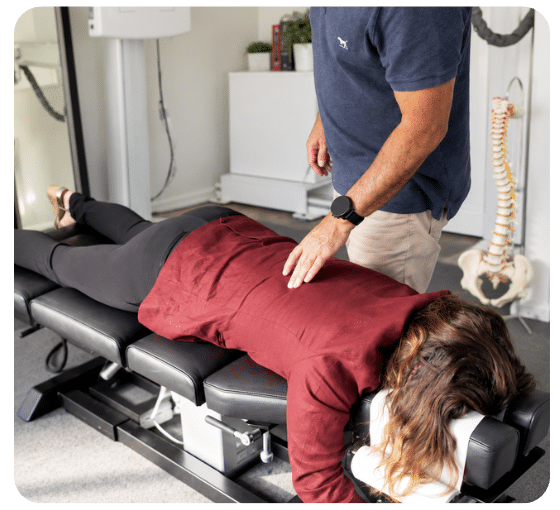
Experienced chiropractors
Our team provides individualised assessments and care recommendations for musculoskeletal concerns, including lower back and leg pain.

Established local clinic
Christchurch Wellness Centre has been serving the local community for over 10 years.
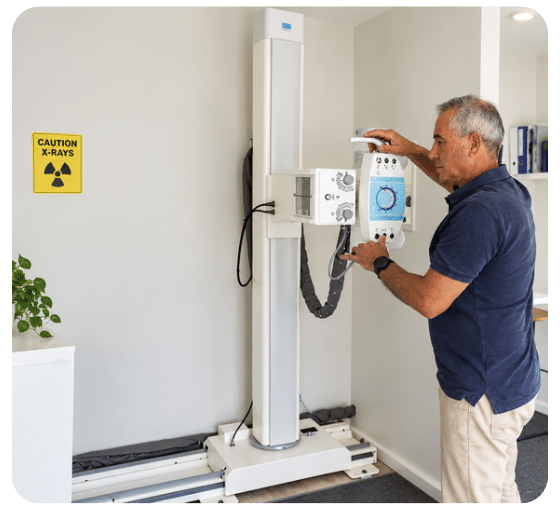
On-site X-ray facilities
Imaging is available when clinically indicated, without suggesting that everyone needs a scan.
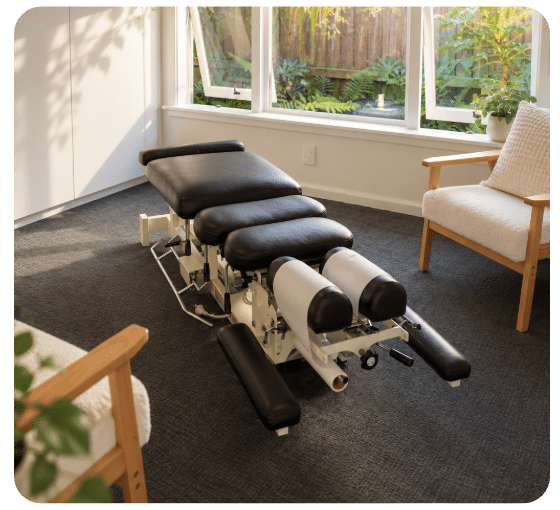
Individualised care
Assessment findings, your preferences and your circumstances help guide care recommendations.
ACC Chiropractic Care for Sciatica & Leg Injuries in Christchurch
If your sciatica or leg pain is associated with an accident or injury, you may be eligible for ACC-funded chiropractic care.
ACC eligibility depends on the circumstances of the injury and whether the claim is covered. Sciatica arising without a covered injury is not automatically eligible for ACC funding.
At Christchurch Wellness Centre, we welcome both ACC and private patients.
Our reception team can explain appointment fees, patient contributions and the practical steps involved in arranging an ACC chiropractic appointment.
Frequently Asked Questions About Sciatica & Leg Pain
Can a chiropractor help with sciatica?
A chiropractor can assess symptoms consistent with sciatica and determine whether chiropractic management is appropriate. Depending on the findings, care may include exercise advice, activity guidance and selected manual therapy. Some patients require medical investigation or referral instead. Chiropractic treatment does not guarantee sciatica relief.
What is the fastest way to relieve sciatica?
There is no single fastest treatment that works for everyone. For many people, staying gently active, avoiding prolonged bed rest and gradually returning to normal activities can support recovery. Appropriate management depends on the cause, severity and duration of symptoms.
What causes shooting pain down one leg?
Shooting pain down one leg can result from irritation or compression of a nerve root in the lower spine, commonly described as sciatica. Other conditions can cause similar symptoms, so persistent or worsening pain should be assessed.
How do I know if my leg pain is sciatica?
Sciatica often causes pain that travels from the lower back or buttock down one leg. Symptoms may include burning pain, tingling, numbness or weakness. A healthcare professional can assess whether the symptom pattern is consistent with sciatica or another condition.
Can sciatica go away on its own?
Yes. Many cases of sciatica improve naturally over several weeks, although recovery times vary. Maintaining comfortable activity and following appropriate self-management advice can help. Persistent, worsening or neurological symptoms may require further assessment.
How long does sciatica last?
Sciatica may improve within several weeks, but some cases last longer or recur. Recovery depends on factors such as the underlying condition, symptom severity and individual circumstances. Seek professional advice if symptoms are worsening or not improving.
Can sitting make sciatica worse?
Yes. Some people find that prolonged sitting, driving or bending increases sciatic nerve-related symptoms. Others experience more discomfort when standing or walking. The pattern depends on the underlying cause, so activity recommendations should be individualised.
What is the best sleeping position for sciatica?
There is no single sleeping position that is best for everyone with sciatica. Some people find side sleeping with a pillow between their knees comfortable, while others prefer lying on their back with support beneath their knees. Choose a position that reduces discomfort and allows restful sleep.
Should I walk if I have sciatica?
Gentle walking may be helpful for many people with sciatica, provided it does not significantly worsen symptoms. Start with manageable distances and adjust activity based on comfort and professional advice. New weakness or other concerning neurological changes require medical assessment.
What exercises help sciatica?
Exercise recommendations depend on the cause of your symptoms and how you respond to movement. Gentle walking, appropriate strengthening and individually selected mobility exercises may help some people. Avoid forcing stretches or exercises that increase radiating leg pain, numbness or weakness.
Can a herniated disc heal without surgery?
Yes. Many people with lumbar disc herniations improve without surgery, and some herniated disc material can reduce in size over time. Surgery may be considered for selected patients with persistent disabling symptoms or significant neurological problems.
Is chiropractic adjustment necessary for sciatica?
No. A spinal adjustment is not necessary for every person with sciatica. Your chiropractor should discuss whether manual therapy is suitable, alongside exercises, activity advice and other options. Your preferences and informed consent are important.
Should I see a chiropractor or physiotherapist for sciatica?
Both chiropractors and physiotherapists may assess and manage certain musculoskeletal conditions associated with sciatica. The most appropriate professional depends on your symptoms and clinical needs. A GP is also an appropriate starting point, especially when neurological symptoms are present or the diagnosis is uncertain.
Does sciatica require an MRI or X-ray?
Not usually. Most uncomplicated sciatica can initially be assessed without imaging. MRI may be considered when symptoms are severe, persistent or associated with neurological changes, particularly if results would influence treatment decisions. X-rays do not directly show nerve compression or herniated discs.
Can ACC cover chiropractic treatment for sciatica?
ACC may contribute to chiropractic care when sciatica is associated with an eligible covered injury. Coverage depends on the claim and individual circumstances. Patient co-payments may apply.
Where can I book a sciatica chiropractor in Christchurch?
Christchurch Wellness Centre is located at 390 Memorial Avenue, Christchurch 8053. Our clinic offers chiropractic assessments for lower back pain, sciatica-like symptoms and leg discomfort, with weekday and Saturday appointments available.
Book a Sciatica & Leg Pain Assessment in Christchurch
Experiencing shooting leg pain, tingling or lower back discomfort? We’re here to help you understand your options.
Whether your symptoms have recently developed or have been troubling you for some time, our team can help you arrange an appointment to discuss your concerns and determine appropriate next steps.
You don’t need to know exactly what’s causing your leg pain before getting in touch.
Christchurch Wellness Centre
390 Memorial Avenue, Christchurch 8053
Weekday and Saturday appointments • On-site parking • Bus stop outside