
Sports Injury Chiropractic Care in Christchurch
Sports injury slowing you down? Back pain, joint discomfort or stiffness keeping you from the activities you love? We’re here to listen.
Whether you’ve experienced an injury during rugby, running, skiing, cycling, gym training or everyday exercise, pain and restricted movement can make it difficult to stay active and enjoy your usual routine.
At Christchurch Wellness Centre, our experienced chiropractors provide personalised sports injury assessments for certain muscle, joint and spinal conditions. We take the time to understand your symptoms, examine relevant clinical findings and discuss appropriate chiropractic treatment options based on your needs.
From recreational runners and gym-goers to active individuals looking to return to their favourite sports, our Christchurch chiropractic clinic provides supportive, individualised care.
If you’re looking for a sports injury chiropractor in Christchurch, our team can help you understand whether chiropractic care is suitable for your injury and what your next steps may involve.


Understanding Sports Injuries & Exercise-Related Pain
A sports injury is an injury that occurs during sport, exercise or physical activity. It may affect muscles, ligaments, tendons, joints, bones or other structures involved in movement.
Sports injuries can develop suddenly following a fall, collision, twist or awkward movement. Others develop gradually when repeated physical demands exceed the body’s ability to recover and adapt.
Some injuries cause immediate pain and swelling, while others become noticeable over several days or weeks.
Common sports injury symptoms include:
- Muscle pain, tightness or weakness.
- Joint pain, stiffness or swelling.
- Back pain after exercise or lifting weights.
- Neck and shoulder discomfort after sport.
- Knee, hip or leg pain during running.
- Reduced movement or difficulty performing normal activities.
- Recurring discomfort during training or physical activity.
Sports injuries can affect anyone, from people beginning a new fitness routine to experienced athletes participating in competitive sport.
Many uncomplicated sports injuries improve with appropriate management and gradual rehabilitation. However, some require medical assessment, imaging or specialist treatment.
At Christchurch Wellness Centre, we aim to understand how your injury occurred, assess relevant musculoskeletal findings and help you make informed decisions about your recovery.
What Is the Difference Between an Acute Sports Injury and an Overuse Injury?
An acute sports injury occurs suddenly, often during a specific incident such as a fall, collision, twist or unexpected movement. Examples include certain ankle sprains, muscle strains and joint injuries.
An overuse injury develops gradually and is associated with repeated physical loading without sufficient adaptation or recovery. Examples may include some tendon conditions, running-related injuries and repetitive strain problems.
Both types of injuries benefit from appropriate assessment, although treatment recommendations and recovery timelines can differ.
Common Sports Injuries & Symptoms We Can Assess
Sports injuries can affect different areas of the body, causing discomfort, stiffness or restricted movement. Understanding where your symptoms occur and how they affect your activities can help guide an appropriate assessment.

Back pain after sport or exercise
Lower back pain, stiffness or restricted movement following weightlifting, running, twisting or other physical activities.

Neck & shoulder pain
Discomfort, muscle tension or reduced movement following contact sport, gym training or repetitive overhead activity.
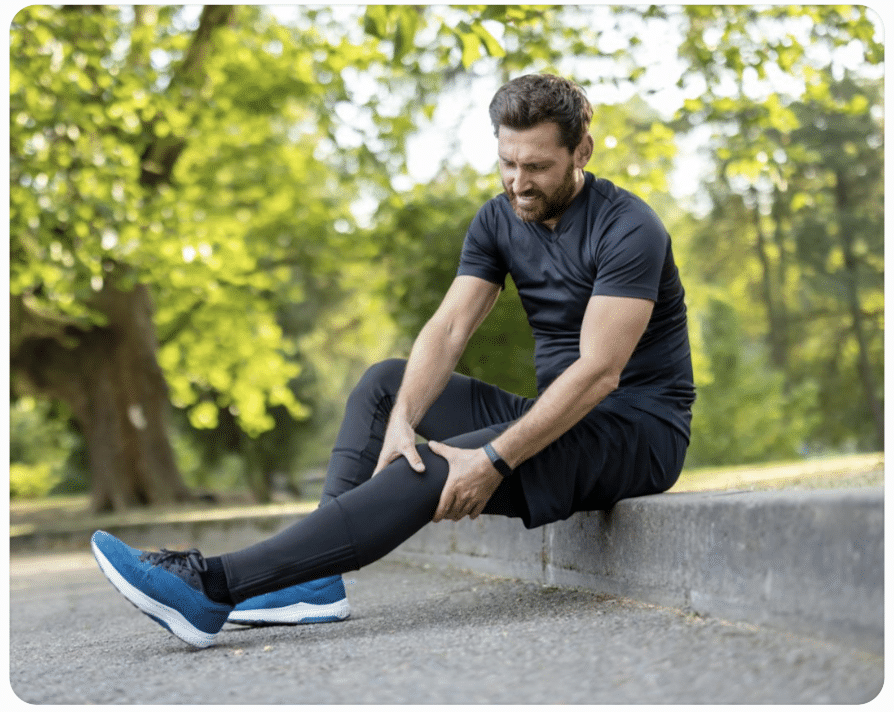
Knee, hip & leg pain
Pain or discomfort around the lower limbs during running, cycling, training or other sporting activities.

Muscle & joint stiffness
Aching, tightness or reduced mobility following unfamiliar exercise, repetitive movements or a sporting injury.
Some injuries involve fractures, ligament tears, concussion or other conditions requiring medical care. Not every sports injury is suitable for chiropractic management.
New neurological symptoms, significant swelling, severe pain or an inability to bear weight should be medically assessed.
What Causes Sports Injuries?
Sports injuries can occur for many reasons. Sometimes there is a clear incident, while other injuries develop gradually through repeated physical demands.
Common causes and contributing factors include:
- Sudden twisting or awkward movements: Rapid changes in direction, landing awkwardly or unexpected movements may place stress on muscles, ligaments and joints.
- Contact sports and collisions: Rugby, football and other contact sports can involve impacts that cause injuries to the spine, joints and surrounding tissues.
- Lifting weights and gym training: Heavy lifting, unfamiliar exercises or rapid increases in training intensity may contribute to muscle strains and exercise-related back pain.
- Repetitive running and cycling: Repeated loading may contribute to certain knee, hip, tendon or muscle-related conditions.
- Falls during outdoor activities: Skiing, mountain biking, surfing and other recreational activities can involve falls that cause sprains, strains, fractures or more serious injuries.
- Changes in training load: Increasing exercise frequency, duration or intensity too quickly can contribute to certain overuse injuries.
- Previous injuries: Previous muscle, joint or ligament injuries may influence movement, strength and the likelihood of further injury.
- Insufficient recovery: Fatigue, inadequate recovery and limited preparation for specific physical demands may contribute to injury risk.
Sports injuries are not automatically caused by poor posture, spinal misalignment or incorrect exercise technique. Injury risk is influenced by multiple factors.
Why Does My Lower Back Hurt After Lifting Weights?
Lower back pain after weightlifting can have several causes, including delayed-onset muscle soreness, muscle strain or other musculoskeletal conditions.
Activities such as deadlifts, squats and other resistance exercises place demands on the muscles and joints supporting the spine.
Discomfort may occur when training intensity increases, unfamiliar movements are introduced or an injury develops.
However, not all back pain after exercise is caused by muscle strain. Persistent pain, symptoms travelling into the legs or new neurological changes should be professionally assessed.
Why Do I Keep Getting Injured During Exercise?
Recurring sports injuries may be associated with previous injury history, changes in training load, insufficient recovery, reduced strength or other individual factors.
For example, returning to demanding physical activity before regaining sufficient strength and function may increase the likelihood of further problems.
A professional assessment can help identify relevant factors and determine whether rehabilitation, exercise modification or further medical investigation is appropriate.
When Should You See a Chiropractor for a Sports Injury?
Many minor sports injuries improve with appropriate self-care and gradual return to activity. However, professional assessment may be appropriate when symptoms persist, worsen or interfere with everyday movement.
Consider arranging a sports injury assessment if you experience:
- Recurring lower back pain after gym training or exercise.
- Persistent neck or shoulder discomfort following sport.
- Joint stiffness affecting your movement.
- Exercise-related pain that repeatedly returns.
- Difficulty returning to normal activities after an injury.
- Musculoskeletal discomfort affecting your work, training or recreation.
A chiropractor can assess certain sports-related musculoskeletal concerns and discuss whether chiropractic care, rehabilitation advice or referral to another healthcare professional is appropriate.
When Is a Sports Injury an Emergency?
Seek urgent medical attention if you experience:
- Severe pain or an obvious joint or limb deformity following an injury.
- An inability to bear weight after significant trauma, particularly with marked swelling or tenderness.
- New or progressive limb weakness, significant numbness or other neurological changes.
- Loss of bladder or bowel control, or numbness around the groin following a spinal injury.
- A suspected concussion accompanied by worsening headache, repeated vomiting, confusion, seizure or loss of consciousness.
- Severe neck or back pain following a significant collision or fall.
- A limb that becomes cold, pale or unusually numb following injury.
Suspected concussion requires prompt medical assessment. An athlete with a possible concussion should be removed from play immediately and must not return to sport on the same day.
In New Zealand, call 111 for an emergency or Healthline on 0800 611 116 if you’re unsure what care you need.
Do not wait for a routine chiropractic appointment if you experience these warning signs.
How Can Chiropractic Care Help With Sports Injuries?
Chiropractic care may be appropriate for some sports-related musculoskeletal conditions, particularly certain types of back pain, neck pain and joint-related discomfort.
At Christchurch Wellness Centre, our chiropractors provide individualised assessments to help determine whether chiropractic management is suitable for your symptoms and sporting goals.
A sports injury chiropractic assessment may involve reviewing your medical history, examining movement and joint function, and assessing relevant muscle, nerve and musculoskeletal findings.
Depending on your injury, care may include movement advice, exercise recommendations, activity modification, selected manual therapy techniques or referral to another healthcare professional.
The goal is to support appropriate injury management and informed decision-making rather than promise immediate pain relief or faster recovery.
What Sports Injury Treatment Options Might Be Discussed?

Manual therapy and chiropractic treatment
Selected hands-on techniques, including joint mobilisation or spinal manipulation, may be considered for suitable musculoskeletal conditions after discussing expected benefits, risks and alternatives.

Movement and strengthening exercises
Individualised guidance may include exercises to strengthen the core and back, improve movement confidence and gradually rebuild tolerance for physical activity.

Activity and training advice
Your chiropractor may discuss lifting heavy objects safely, modifying aggravating exercises and managing training loads during recovery.

Referral and additional rehabilitation
Some injuries require physiotherapy, medical imaging, specialist assessment or structured sports rehabilitation. Your chiropractor can discuss when additional care may be needed.
Not every sports injury requires a chiropractic adjustment. Treatment recommendations should reflect your diagnosis, clinical findings, preferences and informed consent.
Can Chiropractic Care Support Sports Injury Recovery?
Sports injury recovery depends on the type and severity of injury, the affected tissues and individual circumstances.
For suitable musculoskeletal conditions, chiropractic care may form part of a broader approach involving exercise, movement advice and gradual return to activity.
Your chiropractor can discuss appropriate exercises, activity modifications and whether additional rehabilitation or referral may be beneficial.
Do You Need an X-ray or MRI for a Sports Injury?
Whether imaging is appropriate depends on how the injury occurred, your symptoms and the findings of a clinical examination.
X-rays are commonly used to investigate suspected fractures or certain bone and joint injuries.
MRI may be useful for selected injuries involving ligaments, tendons, muscles, cartilage or other soft tissues when the results would influence clinical management.
Christchurch Wellness Centre has on-site X-ray facilities, but imaging is not automatically required for every patient.
Your chiropractor will explain whether an X-ray is appropriate and discuss referral for other investigations where necessary.
Some injuries require urgent medical imaging or emergency assessment rather than routine chiropractic care.
Why Choose Christchurch Wellness Centre for Sports Injury Care?
When searching for a sports injury chiropractor near you, it’s important to find a clinic where your concerns are heard, your injury is appropriately assessed and your treatment options are clearly explained.
At Christchurch Wellness Centre, we welcome people looking for professional chiropractic care for certain sports-related musculoskeletal conditions.
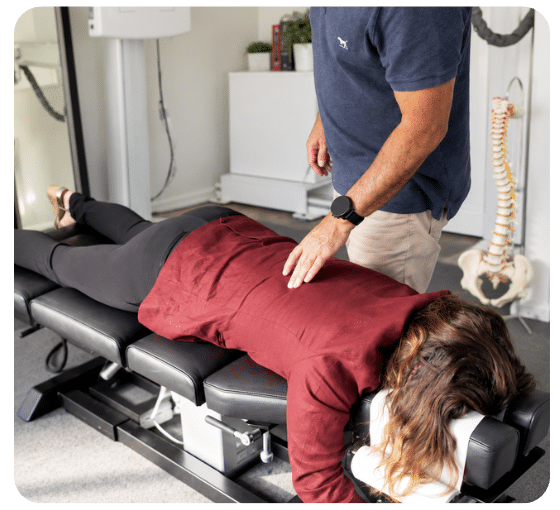
Experienced chiropractors
Our team provides individualised assessments for musculoskeletal concerns, including certain sports-related back, neck and joint conditions.

Established local clinic
Christchurch Wellness Centre has been serving the local community for over 10 years.
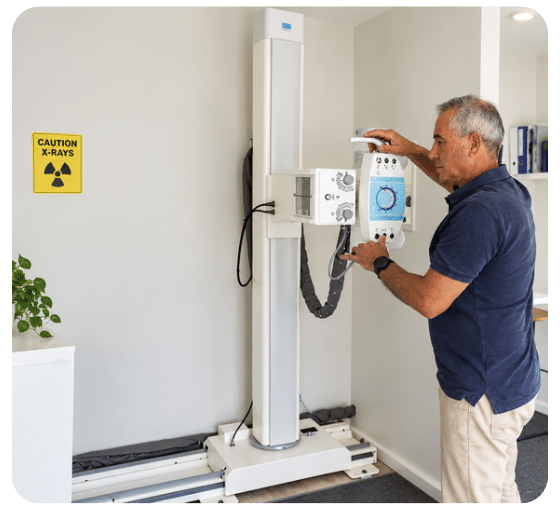
On-site X-ray facilities
Imaging is available when clinically indicated, without suggesting that everyone needs a scan.
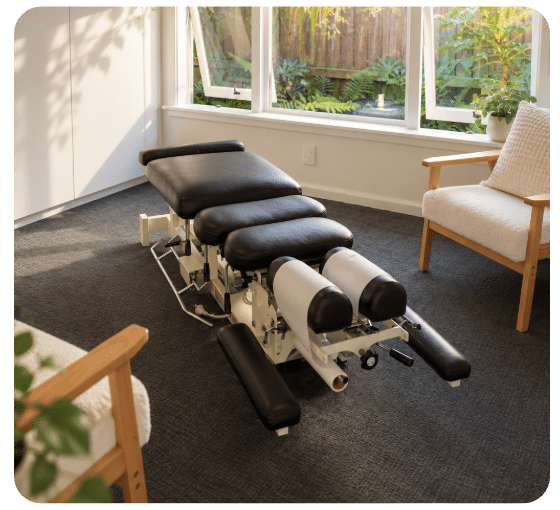
Individualised care
Assessment findings, your preferences and your circumstances help guide care recommendations.
Looking for a Sports Chiropractor in Christchurch Open on Saturday?
Christchurch Wellness Centre offers Saturday chiropractic appointments, making it easier to arrange a consultation around work, study, gym training and sporting commitments.
Our clinic is conveniently located at 390 Memorial Avenue, Christchurch, with on-site parking and a bus stop directly outside.
Whether you’re searching for a chiropractor near you, a sports injury assessment or ACC chiropractic care, our reception team can help you arrange an appropriate appointment.
Appointment availability varies, so contact our team or use our online booking system to check current times.
ACC Chiropractic Care for Sports Injuries in Christchurch
If you’ve been injured while playing sport, exercising or participating in physical activity, you may be eligible for ACC-funded chiropractic care.
ACC can cover eligible sports-related injuries in New Zealand, including certain injuries sustained during rugby, running, skiing, cycling, gym training and other recreational activities.
Eligibility depends on the circumstances of the injury and whether the claim is accepted.
ACC does not automatically cover every painful condition or gradual-onset injury.
At Christchurch Wellness Centre, we welcome both ACC and private patients.
If you’re searching for an ACC chiropractor in Christchurch following a sports injury, our team can explain the appointment process, patient contributions and practical steps involved in arranging care.
Do I Need an ACC Claim Before Seeing a Chiropractor?
No, you don’t need an existing ACC claim before visiting Christchurch Wellness Centre.
As an ACC-registered chiropractic provider in Christchurch, we can help you lodge a new ACC claim directly at our clinic if you’ve experienced an accident or injury.
During your initial consultation, our chiropractors will assess your injury, discuss your symptoms and complete the necessary ACC claim documentation where appropriate.
If your injury is eligible for ACC cover, you may receive subsidised chiropractic care, with a patient contribution applying.
Whether you’ve experienced a sports injury, back injury, neck injury or another accident-related musculoskeletal concern, our friendly team can guide you through the ACC process.
Book your ACC chiropractic appointment in Christchurch today — no existing ACC claim required.
Frequently Asked Questions About Sports Injuries & Chiropractic Care
Can a chiropractor help with sports injuries?
A chiropractor can assess and manage certain sports-related musculoskeletal conditions, particularly some types of back pain, neck pain and joint discomfort. Management may include movement advice, exercises and selected manual therapy. Other injuries require medical treatment, rehabilitation or specialist referral.
What sports injuries can a chiropractor assess?
Chiropractors may assess certain muscle, joint and spine-related conditions associated with sport or exercise. These can include some types of back pain, neck pain, joint stiffness and exercise-related discomfort. The appropriate care depends on the injury and clinical findings.
What should I do immediately after a sports injury?
Stop the activity if continuing causes significant pain or could worsen the injury. Protect the affected area, use comfortable movement where appropriate and seek medical assessment for significant swelling, deformity, severe pain or an inability to bear weight. Suspected concussion requires immediate removal from play and medical assessment.
How long does a sports injury take to heal?
Recovery depends on the type and severity of injury, the affected tissues and individual circumstances. Minor injuries may improve within days or weeks, while more significant injuries can require months of rehabilitation. A healthcare professional can provide guidance based on your diagnosis.
Can chiropractic care support sports injury rehabilitation?
Chiropractic care may be appropriate as part of a broader management approach for selected musculoskeletal conditions. Depending on the injury, management may include movement advice, exercises, activity modification or referral for structured rehabilitation.
Should I rest or exercise after a sports injury?
The appropriate balance depends on the injury. Many uncomplicated musculoskeletal injuries benefit from a period of relative rest followed by gradual, appropriate movement. Some injuries require immobilisation or specific restrictions. Avoid returning to painful or high-risk activities before the injury has been assessed.
Can chiropractic care help with back pain after exercise?
Chiropractic care may be appropriate for some people experiencing musculoskeletal back pain after exercise. Following an assessment, a chiropractor can discuss movement advice, exercises and selected manual therapy. Severe pain, neurological symptoms or pain following significant trauma may require medical investigation.
Why does my lower back hurt after lifting weights?
Lower back discomfort after weight training can have several causes, including muscle soreness, strain or other musculoskeletal conditions. Sudden severe pain, symptoms travelling into the legs or new neurological changes should be assessed rather than assumed to be ordinary muscle soreness.
What exercises help strengthen the core and back?
Core and back strengthening exercises may include appropriately selected movements such as bridges, bird-dogs, modified planks and progressive resistance exercises. The most suitable exercises depend on your current ability, injury history and symptoms. A healthcare professional can help determine an appropriate programme.
How can I lift heavy objects safely during exercise?
Use a manageable load, maintain control throughout the movement and increase training demands gradually. Appropriate lifting technique depends on the exercise, your strength and individual circumstances. If lifting causes persistent pain, consider modifying the activity and seeking professional advice.
Can a chiropractor help with running injuries?
A chiropractor may assess certain musculoskeletal symptoms associated with running, such as back discomfort or some joint-related concerns. However, conditions involving tendons, bones or other structures may require specific rehabilitation or medical assessment.
What causes knee pain after running?
Knee pain after running may be associated with several conditions, including patellofemoral pain, tendon problems or other joint-related injuries. Changes in training load and previous injuries may contribute. An assessment can help determine the likely cause and appropriate management.
Why does my shoulder hurt after gym training?
Shoulder pain after gym training may be associated with muscle soreness, tendon irritation, joint-related conditions or other injuries. Symptoms may develop after unfamiliar exercises, increased training loads or a specific injury. Persistent weakness, severe pain or significant loss of movement should be assessed.
Can a chiropractor help with rugby injuries?
A chiropractor may assess certain musculoskeletal injuries associated with rugby, particularly some back, neck and joint-related conditions. Significant collisions, suspected fractures, concussion or neurological symptoms require appropriate medical assessment.
Can chiropractic care help with skiing injuries?
Some skiing-related musculoskeletal symptoms may be appropriate for chiropractic assessment. However, skiing injuries can involve ligament tears, fractures or other significant conditions that require medical investigation or specialist treatment.
Can a chiropractor help prevent sports injuries?
Exercise conditioning, appropriate training progression and sport-specific preparation may help reduce the risk of certain injuries. There is insufficient evidence that routine chiropractic adjustments alone prevent sports injuries.
Can a chiropractor improve athletic performance?
There is insufficient reliable evidence that spinal adjustments consistently improve athletic performance in otherwise healthy athletes. Strength, conditioning, skill development, recovery and appropriate training remain important aspects of sporting performance.
Should I see a chiropractor or physiotherapist for a sports injury?
Both chiropractors and physiotherapists may assess certain musculoskeletal conditions. Physiotherapy is commonly involved in exercise-based rehabilitation and return-to-sport programmes. The most appropriate professional depends on the injury, symptoms and individual needs.
Do I need an X-ray for a sports injury?
Not every sports injury requires an X-ray. Imaging may be appropriate when a fracture or other significant injury is suspected. Clinical findings help determine whether an X-ray, MRI or another investigation is needed.
Can ACC cover chiropractic care for sports injuries?
ACC may contribute towards chiropractic care for eligible sports injuries in New Zealand. Coverage depends on the circumstances of the injury and acceptance of the claim. Patient co-payments may apply.
Can I exercise while recovering from a sports injury?
Many people can continue some modified activity during recovery, depending on their injury. The type, intensity and timing of exercise should reflect the diagnosis, symptoms and professional advice. Some injuries require temporary restrictions.
When can I return to sport after an injury?
Returning to sport depends on the injury, recovery progress, strength, movement, functional ability and the demands of your activity. Some injuries require specific return-to-sport testing or medical clearance. Pain reduction alone does not always mean an injury has fully recovered.
Can I book a sports chiropractor in Christchurch on Saturday?
Yes. Christchurch Wellness Centre offers Saturday chiropractic appointments. Our clinic is located at 390 Memorial Avenue, with on-site parking and a bus stop outside. Appointment availability varies.
Where can I book a sports injury chiropractor in Christchurch?
Christchurch Wellness Centre is located at 390 Memorial Avenue, Christchurch 8053. Our experienced chiropractors provide assessments for certain sports-related musculoskeletal concerns, with weekday and Saturday appointments available.
Book a Sports Injury Assessment in Christchurch
Sports injury or exercise-related discomfort affecting your everyday life? We’re here to help you understand your options.
Whether you’ve recently experienced an injury or have been dealing with recurring pain during physical activity, our team can help you arrange an appointment to discuss your concerns and determine appropriate next steps.
From back pain after gym training to neck discomfort following sport, our chiropractors can assess certain musculoskeletal conditions and discuss whether chiropractic management is appropriate.
You don’t need to know exactly what’s causing your pain before getting in touch.